 Might Web – Know the Concepts of Standing Desks – Read Tech News at
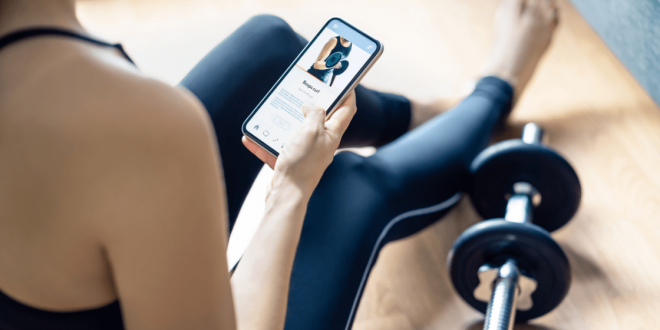
Fitness technology has made training more measurable than ever. Apps can track workouts, wearables can monitor heart rate and sleep, and digital logs can show progress over time. But data alone does not guarantee results. The real value appears when technology is combined with human coaching.
For people exploring personal training singapore, the combination of fitness apps and coach led data can improve accountability, programme design and long term outcomes. Technology records useful information, while a trainer helps interpret it and apply it to the individual’s goals.
Data makes training more visible
Many people train without tracking anything. They may remember some exercises but forget weights, repetitions, cardio duration or how they felt during sessions. Without records, progress becomes difficult to measure.
Fitness apps solve this by making training visible. Clients can track sessions, exercise loads, repetitions, body measurements, energy levels and habits. This helps both the client and trainer understand what is happening.
Visible data creates awareness. It shows whether the client is consistent, whether strength is improving and whether the programme needs adjustment.
Coach led interpretation gives data meaning
Data can be useful, but it can also be confusing. A fitness app may show calories burned, heart rate zones, workout volume and sleep scores. Without context, clients may not know which numbers matter.
A trainer can help interpret the data. For example, low performance may be linked to poor sleep. A high heart rate may suggest fatigue. Strength progress may indicate that the current programme is working.
Coach led interpretation prevents clients from overreacting to single numbers. It helps them focus on trends and practical decisions.
Apps improve accountability between sessions
Personal training sessions may happen a few times per week, but lifestyle habits happen every day. Apps can help maintain accountability between sessions.
A trainer may use logs to review workouts, steps, food habits or recovery. This helps clients stay engaged even when they are not physically with the trainer.
For busy adults, this is valuable. It keeps the fitness plan present during the week and reduces the chance of drifting away from goals.
Wearables add lifestyle context
Wearables can track heart rate, sleep, steps, activity levels and recovery patterns. This gives useful context for personal training.
If a client sleeps poorly for several nights, the trainer may reduce intensity. If daily steps are low, the trainer may suggest more movement outside the gym. If heart rate remains elevated, recovery may need attention.
This creates a more personalised approach. Training decisions are not based only on the workout plan. They also consider the client’s real life condition.
Digital tracking supports progressive overload
Progressive overload is important for strength and fitness improvement. It means gradually increasing training demand over time. Apps can help track this process clearly.
Clients can see whether weights are increasing, repetitions are improving or endurance is building. This makes progress more objective.
A trainer can use this information to decide when to increase difficulty and when to hold steady. This supports safe and effective progression.
Technology can improve client motivation
Progress is not always visible in the mirror immediately. Apps can show smaller wins that might otherwise be missed. A client may notice improved consistency, better sleep, higher step counts or stronger lifts.
These small wins can improve motivation. They remind the client that progress is happening even when physical changes take time.
In a professional environment such as True Fitness Singapore, technology supported training can complement personal coaching by making goals more measurable and actionable.
Apps help organise busy schedules
Many clients struggle not because they dislike exercise, but because their schedules are full. Fitness apps and digital calendars can help organise workouts, reminders and recovery habits.
A trainer can help clients plan sessions around work, travel and family commitments. Digital reminders can support follow through.
When training is scheduled clearly, it is less likely to be pushed aside. This makes technology useful for habit formation.
Technology should not replace body awareness
While data is useful, clients should not ignore how they feel. A watch may show good recovery, but the body may feel tired. An app may suggest a workout, but the client may have pain or stress that requires adjustment.
This is where coaching matters. A trainer can combine data with observation and client feedback. The best decisions come from both numbers and human awareness.
Technology should support personal training, not control it completely.
Avoiding data overload
Some clients become overwhelmed by tracking too much. They monitor calories, heart rate, steps, sleep, recovery and every workout detail until fitness feels stressful.
A coach can help simplify. Most clients only need a few key metrics linked to their goals. For fat loss, consistency, steps, food habits and strength may matter. For strength, weights and recovery may be more important. For general health, workouts, sleep and movement may be enough.
Good data use creates clarity, not pressure.
FAQ
I already use a fitness app. Why would I still need a personal trainer?
An app can track information, but a trainer can interpret it, correct form and adapt your programme. Data is useful, but coaching turns it into better action.
My wearable says I slept badly. Should I cancel my personal training session?
Not always. Tell your trainer how you feel. The session can be adjusted to lower intensity, mobility or technique work instead of being cancelled completely.
I get stressed when tracking food and workouts. Can data still help me?
Yes, but keep it simple. Track only what supports your goal. Your trainer can help choose a few useful metrics so tracking does not become overwhelming.
Can fitness technology help if I travel often for work?
Yes. Apps can track workouts, steps and habits while travelling. Your trainer can use that data to adjust your programme when you return or create travel friendly sessions.
Conclusion
Fitness apps and coach led data improve personal training outcomes by making progress more visible, accountability stronger and programmes more personalised. Technology provides useful information, while coaching gives that information meaning.
For people in Singapore, this combination can make personal training more precise and sustainable. When digital tools and human guidance work together, fitness becomes smarter, clearer and easier to maintain.