 Might Web – Know the Concepts of Standing Desks – Read Tech News at
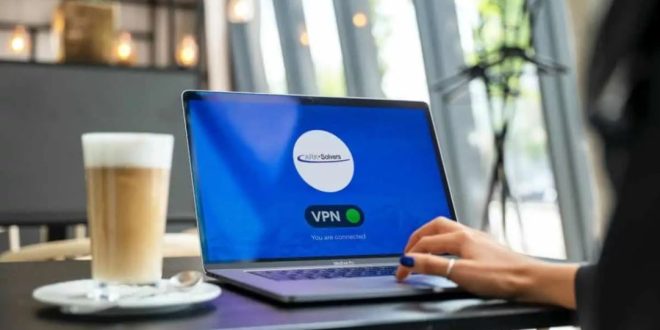
In the age of remote work, the ability to work from any location has transformed the professional landscape. Whether working from a cozy café, a bustling co-working space, or the comfort of your own home, the flexibility remote work offers is undeniable. However, along with this newfound freedom comes the responsibility of protecting sensitive data and maintaining privacy. One of the most effective tools for ensuring online security while working remotely is a Virtual Private Network (VPN). This blog post will explore why every remote worker should be using a VPN to secure their online activities, safeguard personal and work-related data, and maintain professional integrity.
1. Enhanced Security on Public Networks
Public Wi-Fi networks, commonly available in places such as airports, coffee shops, and libraries, are notoriously insecure. When you connect to these networks, your data is susceptible to interception by cybercriminals. This opens the door to a variety of attacks, such as man-in-the-middle attacks, where hackers can easily access the data you transmit over the network.
A VPN encrypts your internet traffic, making it unreadable to anyone who might be monitoring the network. Whether you’re accessing email, uploading files, or using cloud-based tools, a VPN ensures that your sensitive information remains protected, even when you’re connected to a public Wi-Fi network. This encryption creates a secure tunnel between your device and the internet, safeguarding your data from prying eyes.
2. Privacy Protection from Tracking and Surveillance
When working remotely, your online activities are often monitored by advertisers, websites, and even your internet service provider (ISP). These entities track your browsing history, collect data about your habits, and sometimes even share your information with third parties for targeted advertising.
A VPN hides your IP address and encrypts your online traffic, making it difficult for anyone to track your movements on the internet. This is especially important for remote workers who value their personal privacy. With a VPN, your online actions are shielded from surveillance, ensuring that your activities remain private, even when accessing websites or using work-related tools.
3. Protection of Sensitive Work Data
As a remote worker, you are often entrusted with sensitive company information, including private client data, intellectual property, and business plans. Unfortunately, data breaches and cyberattacks are a constant threat. Without the proper protection, hackers could exploit vulnerabilities to gain access to valuable company information.
A VPN helps protect your work data by encrypting it while it is being transmitted over the internet. This means that even if a hacker intercepts your data, they would only encounter an unreadable stream of information. For companies that rely on remote workers, this level of security is essential for safeguarding trade secrets and maintaining the trust of clients and partners.
4. Secure Access to Company Resources
Many organizations use private networks to store sensitive files and applications. Typically, these networks are only accessible from within the company’s office or a secure connection. As a remote worker, you need a safe and reliable way to access these resources while working from a different location.
A VPN allows you to connect to your company’s private network securely, as though you were physically in the office. By using a VPN, you can access internal systems, shared files, and other essential tools without compromising security. This level of access ensures that you can continue to perform your duties without worrying about unauthorized access or data theft.
5. Bypassing Geo-Restrictions and Censorship
While working remotely, you may encounter barriers when trying to access specific websites, tools, or services. Many websites and online platforms are restricted by geographical location, which can prevent remote workers from accessing the resources they need to do their jobs.
A VPN allows you to bypass these geo-restrictions by masking your IP address and making it appear as though you are browsing from a different location. This feature is particularly useful for remote workers who need to access websites, streaming services, or tools that are only available in certain countries. It also helps circumvent government-imposed censorship, enabling remote workers to access a wide range of online resources.
6. Preventing ISP Throttling
In some cases, your internet service provider (ISP) may intentionally slow down your connection for specific activities, such as streaming videos or using cloud-based services. For remote workers who rely on fast internet speeds for tasks like video conferencing, large file transfers, or running cloud-based software, throttling can cause significant disruptions.
A VPN masks your online activity, preventing your ISP from identifying and throttling specific types of traffic. As a result, you can enjoy an uninterrupted and faster connection, which is particularly important for remote workers who need to maintain productivity and ensure high-quality communication during virtual meetings or presentations.
7. Improved Remote Communication
Communication is key when working remotely, especially when it involves sensitive information or high-level discussions. A VPN not only secures your connection, but it also improves the quality of your communication by ensuring that data is transmitted without interference.
For example, when conducting video calls or sharing files with colleagues, a VPN ensures that the data is encrypted and protected. This means that your conversations and files remain confidential, even if you are using a less-secure connection like public Wi-Fi. The peace of mind that comes with knowing your communication is protected can also foster a more collaborative and productive work environment.
8. Cost-Effective and Easy to Use
Setting up a VPN is often simpler than most people realize. Most VPN services offer user-friendly applications for a range of devices, including laptops, smartphones, and tablets. Once installed, a VPN runs automatically in the background, encrypting your data and ensuring that you remain secure as you work.
Additionally, VPNs are an affordable solution for remote workers, with many providers offering flexible plans that cater to individual needs. Given the level of protection they provide, the cost of a VPN is negligible compared to the risks associated with not using one. For remote workers who want to maintain security without breaking the bank, a VPN offers a cost-effective, straightforward solution.
9. Demonstrates Professionalism and Responsibility
For remote workers, professional integrity is crucial, especially when it comes to safeguarding company data and maintaining a secure working environment. Using a VPN is a proactive way to demonstrate to employers, clients, and colleagues that you are serious about protecting sensitive information and maintaining privacy.
Employers who prioritize cybersecurity will appreciate the added layer of protection that a VPN provides. It shows that you are taking the necessary steps to protect your online activities and reduce the risk of data breaches or unauthorized access. This commitment to security can enhance your reputation as a responsible and trustworthy professional.
10. Final Word
The growing reliance on digital tools and online communication means that remote workers face a unique set of cybersecurity challenges. A VPN is a simple yet highly effective way to address these challenges and ensure that your online activities remain secure. By encrypting your data, protecting your privacy, and offering secure access to company resources, a VPN provides the protection necessary for remote workers to thrive in an increasingly interconnected world. Whether you’re working from a café, a hotel, or your home office, using a VPN is essential for ensuring that your professional and personal data remain secure.